You have a vision for a community. Maybe you're a streamer, a game dev, or just someone who wants to gather like-minded people. The problem isn't a lack of platforms; it’s a surplus of choices that often lead to "platform paralysis." Everyone tells you to be everywhere at once, but if you’re trying to build a genuine, lasting connection, you need to pick a lane. Discord and Twitch are the two titans of the space, but they operate on fundamentally different psychological loops.
If you’re deciding where to plant your flag, stop asking "which one is more popular." Instead, ask: "What does the user do next?" Once they interact with your content, where are you leading them? Does your user want to watch you perform, or do they want to build a workspace with you?
The Mobile-First Shift: From Passive Consumption to Interactive Engagement
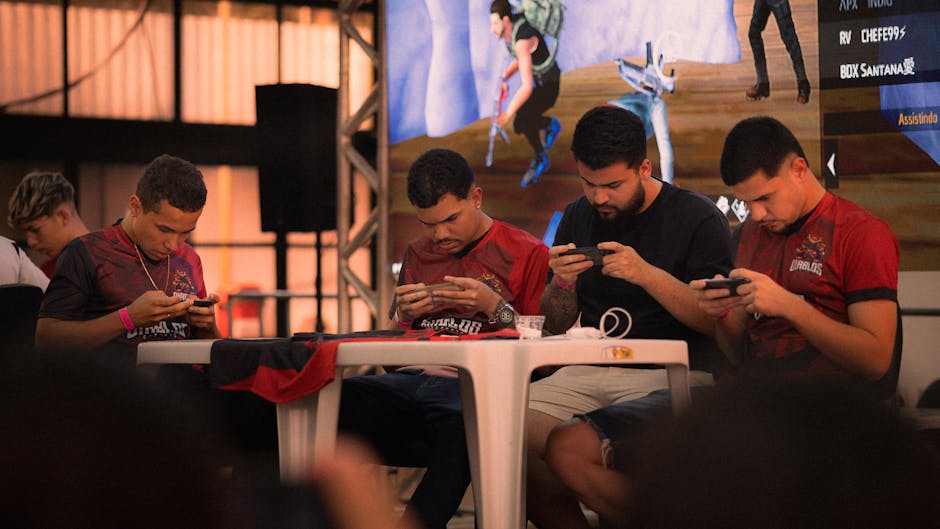
The days of requiring a desktop browser for meaningful engagement are over. According to data tracked via Statista on mobile internet and content consumption, the overwhelming majority of your audience is likely viewing your content through a five-inch screen while commuting, waiting in line, or lounging. This creates a "mobile-first" constraint: if your community platform requires a complex, multi-tab setup, you’ve already lost live chat integration for engagement them.
Both Twitch and Discord have adapted, but they handle the mobile transition differently:
- Twitch: Built for lean-back consumption. The mobile app is essentially a high-quality video player with a chat overlay. It’s perfect for live interaction, but it’s high-bandwidth and relies on the user being available at a specific moment. Discord: Built for lean-in participation. It’s asynchronous by design. A user can jump into a voice channel or read through a conversation thread between tasks.
If your community thrives on live interaction, Twitch is your stage. If your community thrives on user-generated content and persistent discussion, Discord is your town square.

Twitch: The High-Octane Stage
Twitch is a broadcast medium. You are the protagonist; the community is the audience. The primary draw here is live interaction. The "gaming loop" on Twitch is masterfully engineered: bits, channel points, and sub streaks turn passive viewers into active participants who feel like they are influencing the outcome of the stream.
The UX of Live Interaction
When you look at Twitch’s checkout and reward flows, they are designed for impulse. A user clicks "Subscribe," and the animation feedback is immediate. This creates a dopamine hit that rewards the user for spending money or time. However, the limitation is clear: once the stream ends, the Visit this link "live" energy dissipates. If you don't have a place to send your community after the feed cuts, you lose the connection until your next go-live notification.
Discord: The Asynchronous Town Square
Discord is a persistent environment. It’s where your community lives when you aren't around. The strength of Discord lies in its community features that allow for low-friction, asynchronous communication. Users don't need to be there at the same time to have a conversation, which is a massive advantage for creators with a global audience.
The Friction of Onboarding
Here is where I have to call out the UX: Discord’s onboarding can be a nightmare. If you don't set up a proper "Welcome" screen or an onboarding gate, new users land in a sea of channels and immediately bounce. A well-designed Discord uses roles and reaction-based navigation to filter the noise. If your onboarding flow is clunky—forcing users to read 50 lines of "Rules" before they can say "Hi"—you are actively sabotaging your own growth.
The Role of AI and Machine Learning in Community Growth
We see a lot of vapid "AI is the future" content, but let’s talk about real use cases. Both platforms use machine learning to keep users from leaving, though they do it in ways that are often invisible to the creator.
Discord’s integration with AI extends to bot ecosystems. Creators can now deploy machine learning-powered bots to summarize long chat histories for users who were away, or to tag relevant members when a specific topic is mentioned. This isn't hype; it’s a way to manage the chaos of 5,000+ members without needing 20 human moderators.
Gaming Loops: Rewards and Achievements
Engagement isn't just about talk; it’s about structure. If you want a community to stick around, you need to gamify their presence.
Twitch Gaming Loops
Twitch uses "Channel Points" and "Predictions" to keep viewers glued to the screen. If a user earns points just by existing in your stream, they are mathematically incentivized to stay. It’s a closed loop: Watch -> Earn Points -> Predict -> Win -> Spend. It’s simple, effective, and brutal if your stream isn't engaging.
Discord Gaming Loops
Discord handles this through progression roles (e.g., leveling up from "Newcomer" to "Regular"). By integrating third-party tools like MEE6 or custom-built bots, you can grant badges or access to hidden channels based on activity. This encourages user-generated content—people post more to climb the leaderboard.
The Verdict: Which One Should You Choose?
Don't pick based on what other creators are doing. Pick based on your capacity to manage the "next step" of the user journey.
Choose Twitch if:
- Your value proposition is your personality or live skill. You want to monetize via ads and subscriptions immediately. Your community is built around appointment viewing. Pro Tip: Ensure your stream overlay is mobile-optimized; if the text is too small to read on a phone, you’re alienating your biggest demographic.
Choose Discord if:
- Your value proposition is the community itself (the people talking to each other). You want to build a resource library or a collaborative space. You want to maintain a connection 24/7 without being tethered to a camera. Pro Tip: Spend time auditing your onboarding flow. If a user can’t figure out how to join the conversation within 30 seconds of landing in your server, fix the navigation.
Final Sanity Check: What Does the User Do Next?
The biggest mistake I see creators make is treating Discord like a "chat room" and Twitch like "television" without connecting them. Your Twitch stream should be the acquisition engine—where new people find you. Your Discord should be the retention engine—where those people go to become a community.
If you are a live creator, your Twitch stream should have a command (!discord) that is prominently displayed. If you are a Discord admin, your welcome message should highlight the next scheduled live event. Stop treating them as silos. Use Twitch to feed the fire, and use Discord to keep the embers glowing when you aren't live.
Most importantly: keep it simple. Avoid bloated bot configurations and multi-layered sub-channels. If the user has to click four times to get to the "General" chat, they’re going to close the app and open Instagram. Respect their attention, reward their participation, and keep the friction as low as possible.