When it comes to tackling Cape York Peninsula's legendary outback tracks, travelers face a critical choice: journeying solo or moving in a group convoy. Having spent over a decade interviewing station owners, tour operators, and remote-area locals, I’ve learned that the decision hinges on a delicate balance of vehicle capability, remote travel safety, and the realities of outback breakdown backup.
In this post, we’ll delve into the tough terrain of Cape York, explore why simple vehicle design matters more than horsepower, and unpack the history and lessons of the legendary Toyota LandCruiser 70 Series. Along the way, I’ll share practical advice for safely navigating those punishing outback routes, keep you updated on local events via my RSS feed, and even show you how to share this post on Facebook to plan your convoy with friends.
The Imperative of Simple Design in Remote Australia
In remote Australia — think dusty tracks, unpredictable river crossings, and long distances between towns — a vehicle’s design simplicity is not just an aesthetic choice: it's a lifeline. You can have the fanciest tech, but at Cape York’s corrugations and creek crossings, the most sophisticated gizmos are often the first to fail.
Why Less is More
- Ease of Repair: Simple, well-understood mechanical components mean repairs can be managed with basic tools and often without sophisticated diagnostic equipment. Parts Availability: The fewer the electronics, the less specialist parts you need — critical when you’re days from the nearest workshop. Reliability: A straightforward engine and robust chassis are far less likely to malfunction under relentless dust, heat, and vibration.
These points come straight from those battling Cape York conditions daily. The locals and station managers can’t afford downtime waiting for an impossible-to-source chip or sensor. This is why the Toyota LandCruiser 70 Series remains the vehicle of choice for many.
The Toyota LandCruiser 70 Series: Tradition Meets Toughness
The 70 Series has barely changed since its launch in 1984, a testament to a timeless formula that works. Its design has prioritized functionality over flair, delivering an unparalleled combination of durability and repairability for remote-area travel.
Feature Why It Matters for Cape York Simple carbureted or direct injection diesel engine options Allows straightforward field repairs without electronics expertise Solid front and rear axles Better survive outback corrugations and easier to fix Heavy-duty chassis frame Withstands frequent river crossings and rough tracks Minimal electronics and standardised parts Lower chance electrical faults, parts readily available across AustraliaA local tour operator summed it up simply: “You could throw a spanner at a 70 Series and still get it going again by the next day. Try that on a newer, computer-heavy model canning stock route fuel stops – good luck!” Despite Toyota’s modern engineering marvels, in the far reaches of Cape York, this proven simplicity beats complexity every time.
Outback Routes That Punish Vehicles
Cape York's classic routes are not for the faint-hearted or lightly equipped. The dirt roads may look benign on a map, but prolonged travel turns them into relentless tests of your vehicle’s and your own resilience.
Common Challenges:
- Corrugations: These rhythmic washes pit many vehicles against thousands of kilometres of unforgiving shakes that loosen bolts, strain suspensions, and fatigue drivers. Stream and River Crossings: Cape York has dozens of seasonal crossings that can transform from gentle puddles into raging torrents overnight. Long Fuel Gaps: Distances between fuel stops can be 400+ km with no alternatives, requiring precise planning and backups. Limited Mobile Coverage: Emergency calls often depend on satellite or radio; you’re truly isolated.
These factors combine to punish ill-prepared rigs. Famous tracks like the Telegraph Track and Pascoe River Track are well-known for breaking more than one vehicle a season. The risks magnify if you’re traveling solo without immediate assistance.
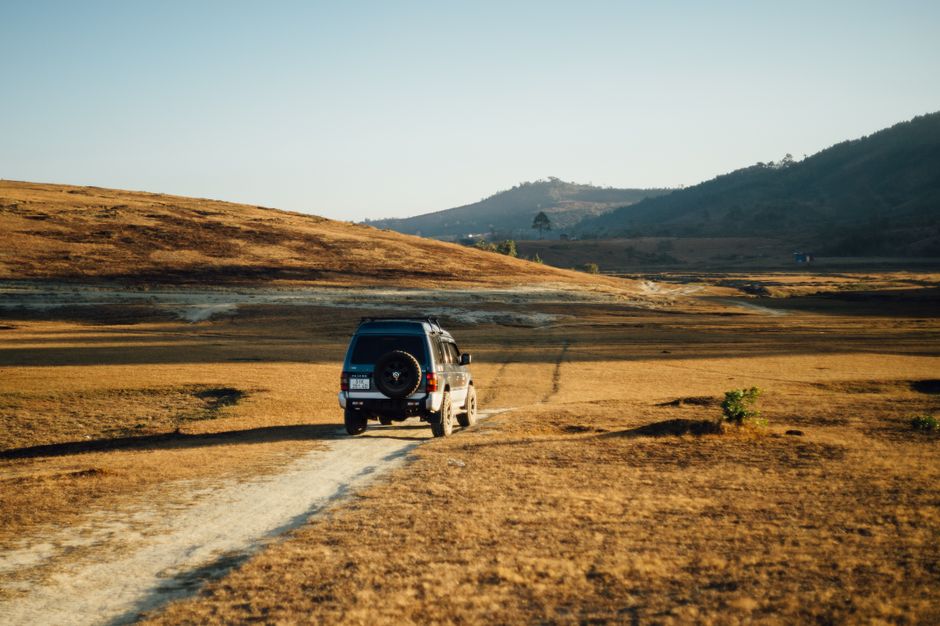
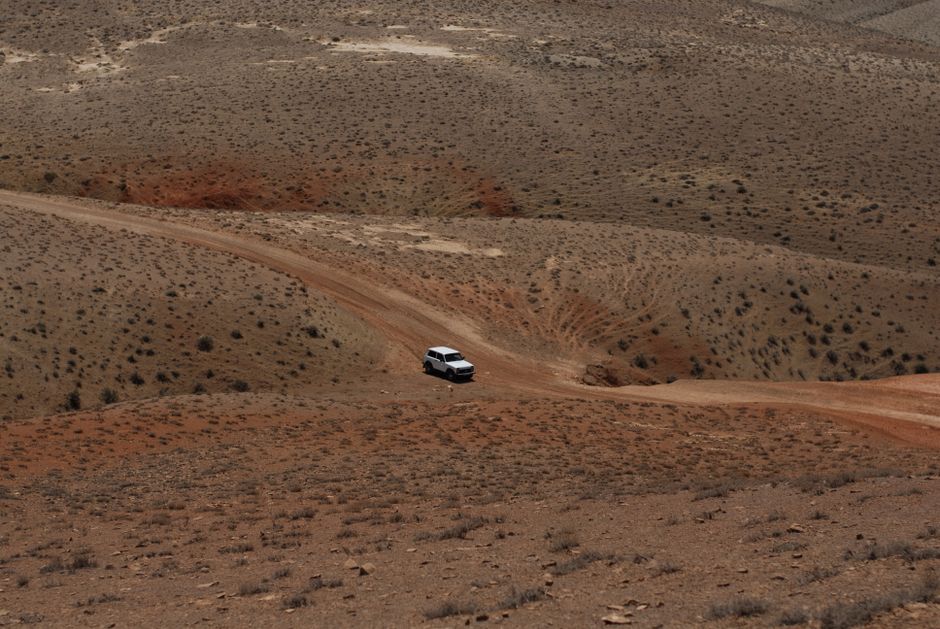
Remote Travel Safety: Group or Solo?
Now, let’s confront the big question. Should you hit Cape York alone, enjoying solitary adventure and freedom? Or should you join a group convoy, sharing resources, recovery gear, and backup?
Advantages of Group Travel (Outback Convoy Advice)
Breakdown Backup: In a convoy, help is immediate. If your Toyota LandCruiser 70 Series suffers suspension damage or engine trouble from corrugations, another vehicle likely has the tools and expertise to assist on the spot. Shared Load: Recovery gear, spares, and extra fuel can be distributed rather than burdening a single vehicle's capacity. Increased Safety: Partners can respond to emergencies, provide first aid, and coordinate communications if someone has brain fade or injury — trust me, it happens. Accurate Road Intel: Group members can scout ahead for river depths and recent track damage, minimizing costly surprises.Advantages of Traveling Solo
Freedom and Flexibility: No convoy rules means you can set your own pace, detour spontaneously, and soak up solitude. Minimal Group Gear Hassles: Coordinating multiple vehicles requires trust, communication, and often compromises — can be a headache for some.Despite the allure of solitary adventure, locals and experienced station owners I’ve interviewed overwhelmingly recommend at least pairing up with one other vehicle — the so-called “buddy system” — for Cape York’s tougher tracks. My informal tally of “small things that stop big trips” often revolves around downtime caused by solo travelers who lacked backup during gear breakage or exhaustion.
Practical Tips for Cape York with a 70 Series
If you’re armed with a Toyota LandCruiser 70 Series and aiming for solo or group travel, here are tested recommendations that incorporate both vehicle strengths and remote safety:
- Check your suspension bolts and steering components before and after each leg of corrugated tracks. The 70 Series might be rugged, but early wear signs can save you lengthy repairs. Pack recovery gear tailored for your vehicle’s weight and terrain: snatch straps rated above your gross vehicle mass, rated shackles, a high-lift jack, and tyre repair kit. Carry extra fuel and water to cover gaps up to 450km: Confirm distances between fuel stops with updated local intel or my RSS feed. If traveling solo, keep a satellite phone or UHF radio with a monitored channel: You can ask for help and give your location when no mobile towers exist. Join convoys or at least arrange to meet friends at known waypoints: Cross-check vehicle readiness and share track conditions. Wear your trusted hats — both for sun protection and for asking critical questions to your mechanic: “If I get stuck at a river crossing, how long will it take to replace this part? Do I have spares?”
Partnering with Australian Explorer: Sharing Knowledge and Experiences
If you want to join others who are passionate about remote outback exploration, Australian Explorer offers guided tours and online forums packed with real feedback from visitors recently back from Cape York expeditions. Their expertise meshes well with the bare-bones reliability of the Toyota 70 Series, providing a safety net that’s irreplaceable when the distance and weather turn against you.
As you plan your trip, bookmark their materials, join the forums, and stay connected using the RSS feed and Facebook share to alert your convoy partners about route updates.
Final Thoughts: Convoy or Solo—What's Right for You?
Choosing solo or group travel for Cape York hinges on your comfort with risk, mechanical know-how, and appetite for solitude versus camaraderie. The unbeatable reliability and simple mechanics of the Toyota LandCruiser 70 Series give you a fighting chance either way, but even the toughest rigs benefit immensely from convoy backup and shared knowledge.
To recap:
- Simple design equates to real repairability where workshops and parts stores vanish. Outback routes will push even the most rugged vehicles—expect breakdowns. Reliable breakdown backup and outback convoy advice are critical for remote travel safety. Pairing up or joining groups minimises risks, while solo travel demands scrupulous preparation and advanced recovery skills.
So, whether you rally a trusted convoy or embrace solitary exploration, stay safe, stay prepared, and remember the lessons of the LandCruiser 70 Series: in remote Australia, simplicity saves more trips than speed ever will.
If you enjoyed this post and want to keep up-to-date on the latest Cape York travel advice, explore my RSS feed or share your plans with friends on Facebook. Safe travels!