In today’s digital age, the allure of DIY repair videos on platforms like YouTube is undeniable. Car owners, especially those passionate about their vehicles, often turn to online tutorials for insight into maintenance and troubleshooting. But when it comes to European vehicles like BMW, Mercedes-Benz, and Audi, can these free online resources truly supplant the expertise of a trained technician? Having spent over a decade in automotive workshops around Klang Valley, coordinating diagnostics for these very brands, I’m here to shed light on this hot topic.
The Complex World of European Cars: Integrated Systems at Work
Unlike many mass-market vehicles, European cars from BMW, Mercedes-Benz, and Audi are engineering marvels that integrate multiple advanced systems deeply intertwined with one another. Think of these vehicles as a symphony orchestra rather than a solo act. The engine, transmission, suspension, electronics, and safety systems collaborate closely to deliver premium performance, comfort, and safety.
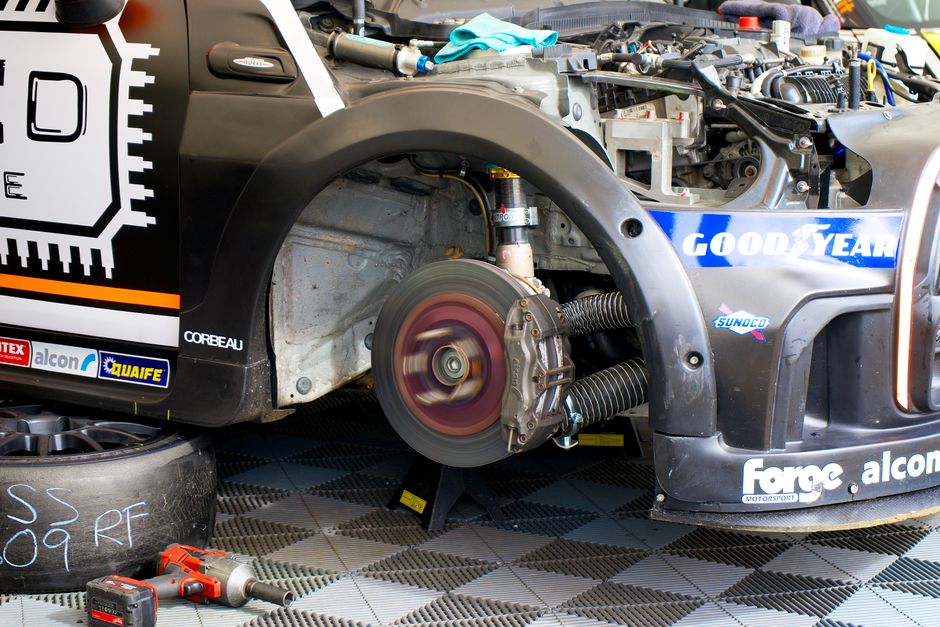
For instance, consider how electronically controlled air suspension adjusts the ride height based on sensors feeding real-time data to the car’s control unit. This is not a simple mechanical fix that can be understood through a quick tutorial—the repair or diagnosis requires understanding the whole network of sensors, actuators, and control modules working together.
Trying to fix these systems based only on isolated symptoms shared by others can lead to a frustrating “whack-a-mole” experience, with one faulty part replaced only to have another issue surface later. This is why European vehicles demand a holistic approach.
Brand-Specific Diagnostics: More Than Just Plug and Play
One critical advantage trained European car technicians possess is access to brand-specific diagnostic software. These proprietary tools are far more advanced than generic scan tools, enabling technicians to communicate intimately with each module in the vehicle.

- BMW’s diagnostics: Require constant software updates to handle the nuances of new models, coding modules, and reset adaptations unique to BMW’s engineering philosophy. Mercedes-Benz scanners: go beyond reading error codes; they provide guided troubleshooting and calibration functions proprietary to Mercedes systems. Audi diagnostics: with their complex electronic architecture and features like adaptive cruise control and advanced driver assistance systems, demand scanning tools that are regularly updated to keep pace.
Without these up-to-date brand-specific tools, repair shops rely on guesswork or basic OBD-II scanners that only reveal generic fault codes. These bmw diagnostic tool malaysia codes seldom pinpoint the root cause but rather provide a starting point, requiring skilled interpretation and hands-on knowledge to progress further.
The Limits of Generic OBD-II Scanners
Every car enthusiast has probably used or at least heard of universal OBD-II scanners. They are excellent for basic diagnostics such as checking engine codes like misfires or emissions-related faults. But relying solely on a generic OBD-II scan tool for European cars is akin to trying to fix a broken smartphone screen by shaking the phone and hoping the pieces realign.
Here are a few reasons why these scanners fall short:
Limited code coverage: Generic scanners often miss brand-specific fault codes. For example, a fault in BMW’s Dynamic Stability Control module likely won’t register correctly or may produce vague codes. No coding or programming: Many European vehicle repairs require resetting adaptations, coding new parts, or calibrating sensors—a feat generic OBD-II scanners cannot perform. Inability to monitor live data comprehensively: Real-time data streams from specific modules provide invaluable clues to technicians. Generic scanners usually offer only limited live parameters. Skewed diagnostics leading to misdiagnosis: Misinterpreting generic codes without context often causes parts to be replaced unnecessarily.Misdiagnosis and Repeat Repairs: The Hidden Cost of DIY or Generic Diagnosis
One of the most frustrating phenomena I observed as a coordinator was vehicles returning repeatedly with the same unresolved problems after DIY fixes or generic diagnostics. For example, a BMW owner might follow a YouTube tutorial to swap a seemingly faulty sensor, only to find the error persists because the root issue is actually a wiring fault or a failing control module.
This cycle not only increases repair costs but risks damaging other components and creates distrust in the repair process. As someone who’s seen countless "cheap part today, big bill tomorrow" scenarios, I stress the importance of an informed and precise diagnostic workflow:
- Step 1: Use brand-specific diagnostic software updated to the latest version. Step 2: Review the entire vehicle’s system data—not just fault codes—but also freeze frames, live data streams, and history. Step 3: Hands-on inspection to verify wiring, connectors, and mechanical parts. Step 4: Use experience and model-specific knowledge to interpret data, understanding quirks like common failure points or known software issues. Step 5: Validate repair by re-scanning and performing test drives with diagnostic monitoring.
Hands-On Experience and Model-Specific Knowledge: The Human Touch
Tools and tutorials can only take you so far. It’s the technicians’ years of hands-on experience and intimate, model-specific knowledge that allow them to put all the diagnostic puzzle pieces together. For example, a Mercedes-Benz technician will know which part numbers are prone to counterfeit versions, or a seasoned Audi specialist will recognize a subtle symptom of a failing dual-mass flywheel that generic diagnostics might overlook.
This human element is why sophisticated diagnostic workflows depend less on random guesses and more on data interpretation derived from deep understanding and real-world experience. It aligns perfectly with the old mechanic’s saying: “Don’t fix what you don’t understand.”
So, Can YouTube Tutorials Replace a Trained European Car Technician?
The short answer: No.
YouTube tutorials can be excellent supplements—they educate, provide quick tips, and demystify complex procedures. For routine maintenance or basic repairs on certain vehicles, they might suffice. However, when dealing with intricately engineered European cars, especially BMW, Mercedes-Benz, or Audi models, the lack of model-specific diagnostic workflows, brand-specific software, and critical hands-on experience means risks of misdiagnosis and repeat repairs skyrocket.
In my years coordinating diagnostics, I’ve often seen that the smartest, most cost-effective repairs come from technicians who combine updated diagnostic tools with extensive experience—who read deeper than fault codes and understand the vehicle as an integrated system.
Final Thoughts
If you own a European car, consider this an encouragement to invest in a qualified technician rather than relying solely on digital tutorials or basic scanners. Your vehicle’s complex electronic architecture demands more than basic knowledge—it deserves experts equipped with the right tools, update-ready software, and a wealth of brand-specific insights.
And as a fellow car enthusiast, I always recommend asking your repair shop: “What scan tool are you using?” — If the answer doesn’t include brand-specific diagnostics updated regularly, be wary of quick-fix solutions.
By bridging the gap between technology and experience, you safeguard both your investment and your driving pleasure.
```